How to Choose a Kayak for Ocean Surfing: Complete Beginner's Guide
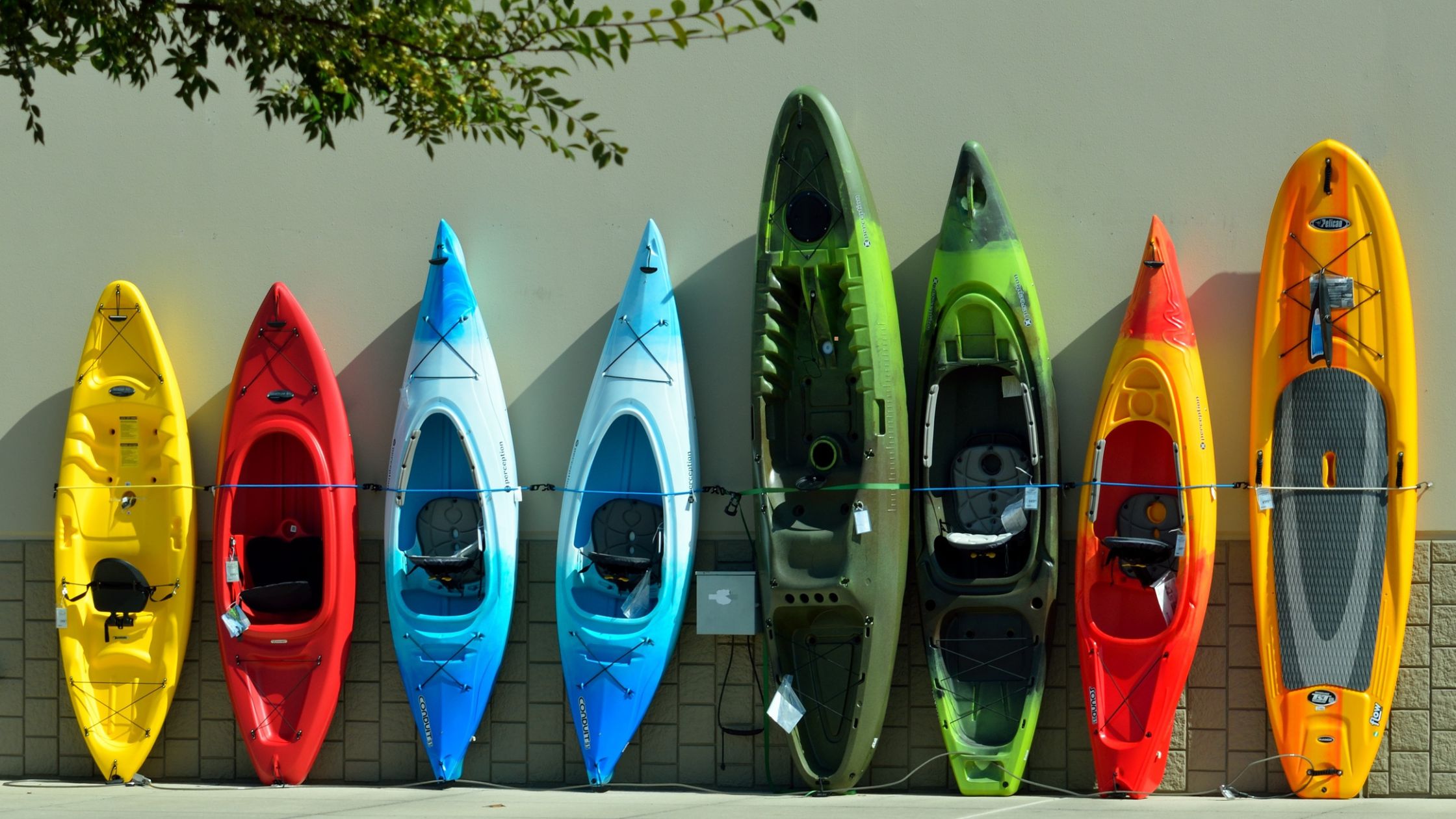
Choosing a kayak for ocean surfing is different from picking one for a calm lake or a relaxing coastal trip. In the surf zone, waves can push your kayak sideways, turn it unexpectedly, or send its bow underwater. A boat that feels stable on flat water may become difficult to control once a wave starts breaking.
So, how do you choose a kayak for ocean surfing?
Start with how you plan to use it. For beginners who want to catch small beach waves, a durable, surf-capable sit-on-top kayak is often a practical starting point. Experienced paddlers looking for sharper turns and better wave performance may prefer a dedicated surf kayak or waveski. If your goal is to paddle along the coast rather than ride breaking waves, a sea kayak is usually the more appropriate choice.
Length, width, rocker, hull shape and fit all influence how a kayak behaves in surf. But the most important factor is choosing a design that matches both your experience and the conditions you intend to paddle.
This guide explains the differences between ocean kayaks, the features worth looking for, and how to make a confident buying decision.
What Type of Kayak Is Best for Ocean Surfing?
Not every kayak designed for ocean use is suitable for surfing waves.
Some boats are built to travel efficiently across open water. Others are designed to accelerate down a wave face, turn quickly and handle breaking surf.
Before comparing dimensions or prices, you need to understand the main kayak categories.
Kayak typeBest useMain advantageMain limitationSurf-capable sit-on-topBeginners riding small wavesOpen deck and relatively straightforward remountingLess precise control than performance surf craftDedicated surf kayakExperienced wave ridersResponsive turns and wave-focused designRequires advanced skills and recovery practiceWaveskiSurf-focused paddlingStrong wave maneuverabilityRequires balance, skill and restraint-release familiaritySea/touring kayakCoastal exploration and distanceEfficient tracking and carrying capacityNot designed for repeated performance surfingWhitewater kayakRiver paddling; selected surf useManeuverable, durable designsHandling varies significantly by modelRecreational inflatableCalm-water paddlingPortable and easy to storeMany models are unsuitable for breaking waves
Sit-on-Top Kayaks: A Practical Starting Point
A sit-on-top kayak has an open deck, allowing you to sit above the hull rather than inside an enclosed cockpit.
If you fall off, you don't need to exit a closed cockpit. On an appropriate model, you can also practice climbing back aboard from the water.
That makes a surf-capable sit-on-top appealing to paddlers learning in small, manageable beach waves.
However, not every sit-on-top kayak is designed for surf. Long fishing kayaks, for example, may be stable while stationary but difficult to maneuver on a breaking wave.
Best for: Beginners who want to experience small-wave surfing with instruction.
Look for: A robust hull, effective drainage, manageable dimensions, comfortable foot support and manufacturer-approved surf use.
Dedicated Surf Kayaks: Built to Ride Waves
A dedicated surf kayak is designed specifically for wave riding.
Compared with a typical touring kayak, it often has a shorter hull, more pronounced rocker and a shape intended to support turning and carving.
Many performance designs feature specialized edges or fins, allowing experienced paddlers to generate speed and make controlled directional changes on the wave face.
These features are valuable once you understand edging, bracing, wave positioning and capsize recovery.
They can also make performance surf kayaks less forgiving for inexperienced paddlers.
Best for: Intermediate to advanced paddlers focused on wave performance.
Waveskis: Surfing with a Paddle
A waveski combines elements of kayak paddling and board surfing.
You sit on top of a narrow, surf-oriented board, use a double-bladed paddle and control the craft through body movements and board positioning.
Waveskis can produce dynamic turns and impressive surf performance, but they require practice and appropriate safety knowledge.
Some use lap belts or other restraints. Any restraint system must have a reliable, familiar release mechanism, and its safe use should be learned with qualified instruction.
Best for: Paddlers interested in dedicated surf performance.
Sea Kayaks: Better for Coastal Exploration
Sea kayaks are generally longer and designed for efficient travel, directional stability and carrying equipment.
They are useful for coastal journeys, but that does not make them ideal for surfing breaking waves.
A skilled sea kayaker may handle launches and landings through surf, yet that is a different activity from repeatedly catching and carving waves.
If your main goal is exploring the coastline, choose a kayak designed for sea conditions. If your goal is surfing, prioritize a wave-specific craft.
7 Key Factors to Consider When Choosing a Kayak for Ocean Surfing
Once you've identified the right kayak category, evaluate its performance, fit and practical features.
1. Kayak Length: Maneuverability vs. Tracking
Length affects how a kayak handles, although hull design matters just as much.
Shorter kayaks generally change direction more easily, which can be useful when riding breaking waves.
Longer kayaks often track straighter and travel more efficiently over distance, making them better suited to coastal touring.
For surf kayaking, maneuverability is usually more important than maximizing straight-line speed.
But don't select a boat based on a single length recommendation. Two kayaks of identical length can behave very differently if their rocker, hull profile and volume distribution differ.
What to consider: Choose a kayak designed for your intended activity rather than assuming every short kayak will surf well.
2. Kayak Width: Finding the Right Balance
Width influences stability, paddling efficiency and responsiveness.
A wider kayak often feels reassuringly stable when stationary on flat water. However, that initial stability doesn't necessarily translate into better control in breaking surf.
Very wide kayaks can be harder to edge and may make efficient paddle strokes more difficult for smaller paddlers.
Narrower performance designs may respond more quickly to body movements but can require better balance and technique.
For beginners, the goal is enough stability to practice confidently without sacrificing too much maneuverability.
What to consider: Look for a kayak that feels stable enough for your ability while allowing comfortable paddle reach and controlled turns.
3. Rocker: Why the Curve of the Hull Matters
Rocker describes the upward curve of a kayak's hull toward its bow and stern.
A kayak with pronounced rocker usually has less hull length contacting the water. This can help the boat pivot and respond quickly.
In surf, the bow shape and rocker also influence how the kayak moves down a wave and how readily its nose digs into the water.
A flatter hull with less rocker may track efficiently across calm water, but it can be less responsive in steep, breaking waves.
What to consider: Surf-focused kayaks usually incorporate rocker appropriate to their intended wave type. More rocker is not automatically better for every paddler or surf condition.
For additional technical background, read DesignKayaks' explanation of kayak dimensions and rocker.
4. Hull Shape: Control on the Wave Face
The shape of a kayak's underside affects stability, turning and how it engages with moving water.
Common design characteristics include:
Rounded hulls: Can transition smoothly from edge to edge but may offer less initial stability, depending on the overall design.
Flatter hull sections: Can provide a stable, planing feel in some designs, although behavior depends on rocker, width and the rest of the hull.
Hard chines: Defined edges between the hull's bottom and sides that can help certain surf kayaks engage the water during turns.
Fins: Found on many surf-focused craft, helping provide directional grip and control on a wave face.
There is no universally superior hull shape.
A beginner learning in small beach waves has different needs from an experienced surf kayaker riding steep, powerful waves.
What to consider: Test the complete hull design rather than focusing on one feature in isolation.
5. Volume and Weight Capacity
A kayak needs enough flotation and volume to support your body weight and any equipment without compromising its intended handling.
Too little volume may make the boat sit excessively low in the water and become difficult to control.
Excessive volume, particularly in some performance designs, can also affect responsiveness and fit.
Check the manufacturer's recommended paddler weight range and maximum load capacity.
Remember that maximum load capacity is not necessarily the weight at which a kayak performs best.
Your equipment, clothing and any carried gear also contribute to the total load.
What to consider: Choose a kayak with appropriate volume for your weight, then confirm how the boat sits and handles during a supervised demo.
6. Material and Durability
Ocean surfing can expose a kayak to repeated impacts from breaking waves, sand and occasional contact with underwater obstacles.
Common construction materials include:
Rotomolded polyethylene: Frequently used in durable recreational and some surf-oriented kayaks. It tolerates everyday knocks relatively well but is often heavier than composite construction.
Composite construction: Fiberglass, carbon fiber and other composite materials can create lighter, responsive performance craft. However, they can require more careful handling and repair after impact.
Inflatable construction: Convenient for storage and transport, but performance varies widely. Many recreational inflatable kayaks are not intended for breaking surf.
For a beginner, durability and ease of handling are often more valuable than choosing the lightest possible boat.
What to consider: Match the material to your budget, intended conditions, transport needs and willingness to maintain the kayak.
7. Fit, Comfort and Control
A kayak that doesn't fit your body properly will be harder to paddle and control.
In a sit-inside surf kayak, contact through the seat, hips, thighs and foot supports allows you to transfer body movements to the hull.
For a sit-on-top, appropriate seating, foot positioning and other control features are equally important.
Before choosing a kayak, check:
Can you reach the water comfortably with the paddle?
Do your feet have secure and comfortable support?
Can you control the kayak without excessive strain?
Can you exit safely if you capsize?
Can you recover the kayak or remount it?
Can you carry and transport the boat?
A kayak should feel secure without trapping you or restricting necessary movement.
What Size Kayak Is Best for Ocean Surfing?
There is no single ideal kayak length or width for every ocean surfer.
Some dedicated performance surf kayaks and waveskis are considerably shorter than conventional touring kayaks. Beginner-oriented sit-on-tops may be longer or wider to prioritize stability and ease of use.
The appropriate size depends on your weight, paddling skill, body dimensions and the waves you plan to surf.
Your experience and goalWhat to prioritizeFirst-time paddler in small surfStable, surf-capable sit-on-top and easy recoveryBeginner progressing into wave ridingManageable length, appropriate rocker and responsive handlingIntermediate surf kayakerStronger edge control, suitable volume and wave-specific hull designAdvanced performance surfingHigh-performance surf kayak or waveski matched to abilityCoastal touringEfficient sea kayak with appropriate flotation and rescue equipment
Avoid universal rules such as buying a particular length simply because you're tall or heavy.
Manufacturer weight ranges, outfitting, intended use and an on-water test provide a much more reliable basis for choosing a kayak.
Sit-On-Top vs. Sit-Inside Kayak: Which Is Better for Ocean Surf?
One of the most common questions from beginners is whether a sit-on-top or sit-inside kayak is better for surfing.
Both can work, but they require different skills.
Advantages of Sit-on-Top Kayaks
Open seating without an enclosed cockpit.
Easier separation from the kayak after a fall.
Potentially simpler remounting on suitable designs.
Practical for warm-water sessions.
Often easier to learn basic entry and exit techniques.
Advantages of Sit-Inside Surf Kayaks
More direct contact between paddler and hull.
Precise edging and bracing with appropriate outfitting.
Greater control for skilled paddlers.
Designs specifically developed for performance wave riding.
Options for cold-water protection when properly equipped.
Which Should Beginners Choose?
A purpose-built, stable sit-on-top is often a sensible first option for someone learning to ride small waves.
A dedicated sit-inside surf kayak becomes more attractive when you have the necessary paddling, rolling, wet-exit and recovery skills.
Neither design removes the risks of surf kayaking. The right training and conditions remain essential.
6 Common Mistakes When Choosing an Ocean Surf Kayak
1. Buying a General Recreational Kayak for Breaking Surf
A stable recreational kayak isn't necessarily built for wave riding.
Always confirm that the manufacturer considers the craft suitable for the type of surf you intend to paddle.
2. Choosing the Widest Kayak Available
Maximum initial stability doesn't guarantee good handling in waves.
A kayak also needs to turn and respond to moving water.
3. Focusing Only on Length
A short kayak isn't automatically a surf kayak.
Rocker, hull shape, volume distribution and outfitting are equally important.
4. Ignoring Weight and Fit
A kayak outside your appropriate paddler weight range can handle poorly.
Uncomfortable outfitting can also reduce control and make recovery more difficult.
5. Buying Advanced Equipment Too Early
A high-performance waveski or specialized surf kayak may be exciting, but it can make early learning unnecessarily difficult.
Choose a boat that supports your current ability while allowing reasonable progression.
6. Forgetting About Safety Training
Buying a suitable kayak is only the beginning.
Learn capsize recovery, paddling technique, surf etiquette and basic rescue skills before entering demanding conditions.
The Paddle UK surf kayaking resource is a useful starting point for understanding the sport and finding opportunities to develop your skills.
Frequently Asked Questions About Ocean Surf Kayaks
What is the best kayak for ocean surfing?
The best kayak depends on experience and intended use. Beginners often benefit from a stable, surf-capable sit-on-top, while experienced wave riders may prefer dedicated surf kayaks or waveskis.
Can you surf ocean waves in a regular kayak?
Some kayaks can handle small waves, but not every recreational kayak is designed for surfing. Using a boat outside its intended conditions can make it difficult to control and recover.
Is a 10-foot kayak good for ocean surfing?
It depends on the design. A 10-foot kayak built for surf may be suitable for certain conditions, while a recreational 10-foot kayak intended for calm lakes may not be appropriate. Length alone doesn't determine surf performance.
Are sit-on-top kayaks better for surfing?
Surf-capable sit-on-top kayaks can be easier for beginners to exit and remount. However, dedicated sit-inside surf kayaks may provide greater performance and control for experienced paddlers.
What is the difference between a surf kayak and a sea kayak?
A surf kayak is designed for riding waves and making responsive turns. A sea kayak is primarily designed for efficient coastal travel, tracking and carrying equipment. Their intended uses are different.
Can beginners try ocean surf kayaking?
Yes, with qualified instruction, suitable equipment and manageable conditions. Beginners should develop basic paddling and recovery skills before entering breaking surf.
Do you need a helmet for surf kayaking?
A watersports helmet is strongly recommended for surf kayaking because of the potential for impacts involving the kayak, paddle, other people or underwater obstacles. Follow applicable rules and guidance for your location.
Are inflatable kayaks good for ocean surfing?
Some specialized inflatables are designed for moving water, but many recreational inflatable kayaks are unsuitable for breaking surf. Check the manufacturer's intended-use guidance rather than assuming an inflatable is surf-ready.
Final Thoughts: Choosing the Right Kayak for Ocean Surfing
Learning how to choose a kayak for ocean surfing comes down to understanding your goals, experience and the conditions you plan to paddle.
If you're just starting out, prioritize a forgiving, surf-capable kayak that allows you to practice safely in small waves.
As your skills improve, you may prefer a more responsive surf kayak or waveski designed for sharper turns and more demanding wave riding.
Before buying, compare the hull design, length, width, rocker, material and fit. Whenever possible, test the boat on the water and learn from an experienced instructor.
The best ocean surf kayak isn't necessarily the shortest, widest or most expensive. It's the one that matches your ability, intended conditions and skill-development goals.
Want to Try Surfing in Bali?
Kayak surfing and traditional board surfing offer different ways to experience ocean waves. If you're planning a Bali trip and want to learn how to ride waves on a surfboard, GetSurf can help you connect with independent local instructors.
Explore Surf Lessons in Bali with GetSurf
Discover local instructors, choose your preferred beach and send a free lesson request.